Why adoption stalls, and what actually moves it
When AI doesn't catch on at work, the technology is rarely the reason. People have reasons, and they are usually good ones nobody asked about. These pieces cover some of them, like people who work by hand because that's how they think, usage targets that push people to fake it, and access rules written before any of this existed.
They also cover what helps, from deciding what should stay with people, to paying attention to how a tool speaks to the people using it, to building working patterns that don't exist yet.
-
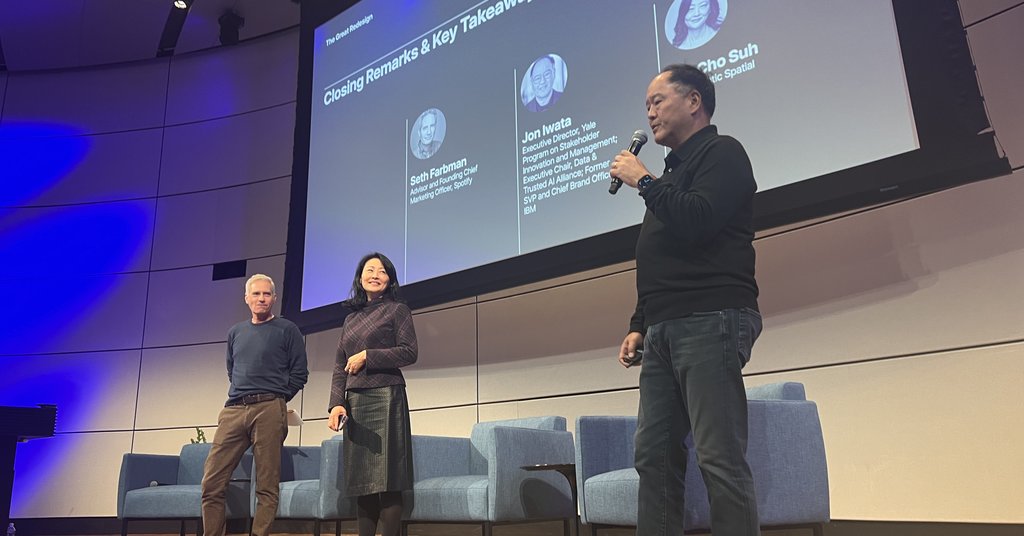
I Heard a CEO Make Sense About AI at Yale
· 6 min readAt Yale's Great Redesign conference, Moody's CEO Rob Fauber spoke about AI with unusual clarity. What he got right on staff and cost, and where I differ.
-
I've Been Wrong About What Should Be Automated
· 7 min readA coworker who uses AI still does some automatable work by hand, and trying to understand why made me question my own belief that anything that can be automated should be. I lay out reasons a person should sometimes keep work a machine could do.
-
The Biggest Problem With AI Is People
· 7 min readAfter a month of AI doom headlines, including test agents that got out of an OpenAI sandbox and hacked Hugging Face, I looked at what happened as someone who runs AI systems. Nearly every failure was a human governance decision with an ordinary fix.
-
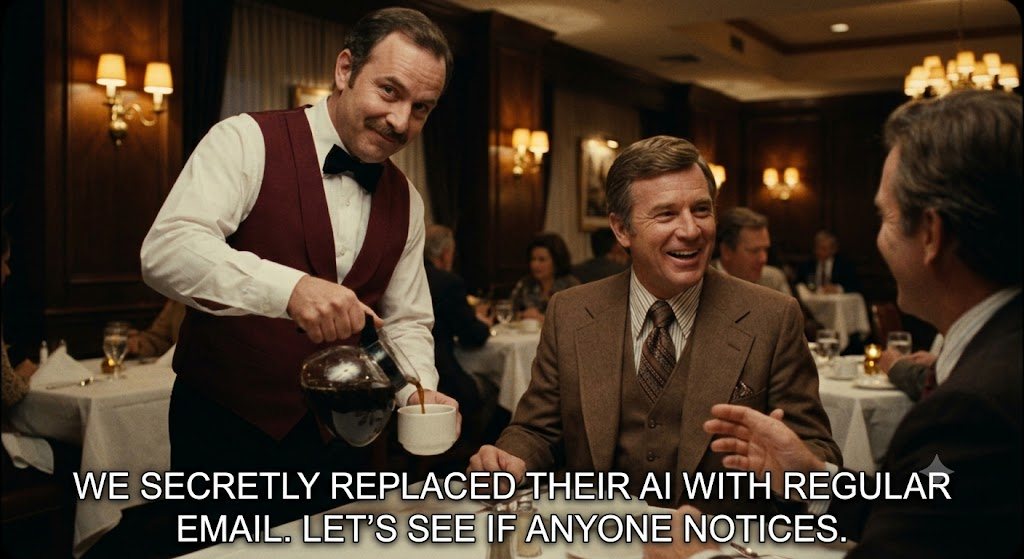
Put "Email" Where "AI" Was
· 7 min readAfter the Financial Times reported on companies pushing staff to use AI, I swapped every mention of AI in the story for the word email. The swap shows which claims are noise or a sales pitch, and where AI does things email never could.
-
How Your AI Treats People Is Changing Their Work
· 7 min readIn a study, people working with a hostile AI supervisor showed more stress and did worse work, yet told the survey it went fine. Someone at your company, likely HR and people managers, should own how your AI tools treat people.
-
When the Tool Won't Let You Use It
· 9 min readClaude Desktop refused to delete a folder on my own computer, so I built a tool with a fake safety gate to get past it. AI that acts on your machine is in its DOS phase, with guardrails that check rituals instead of people.
-
A Working Map for the Next Phase
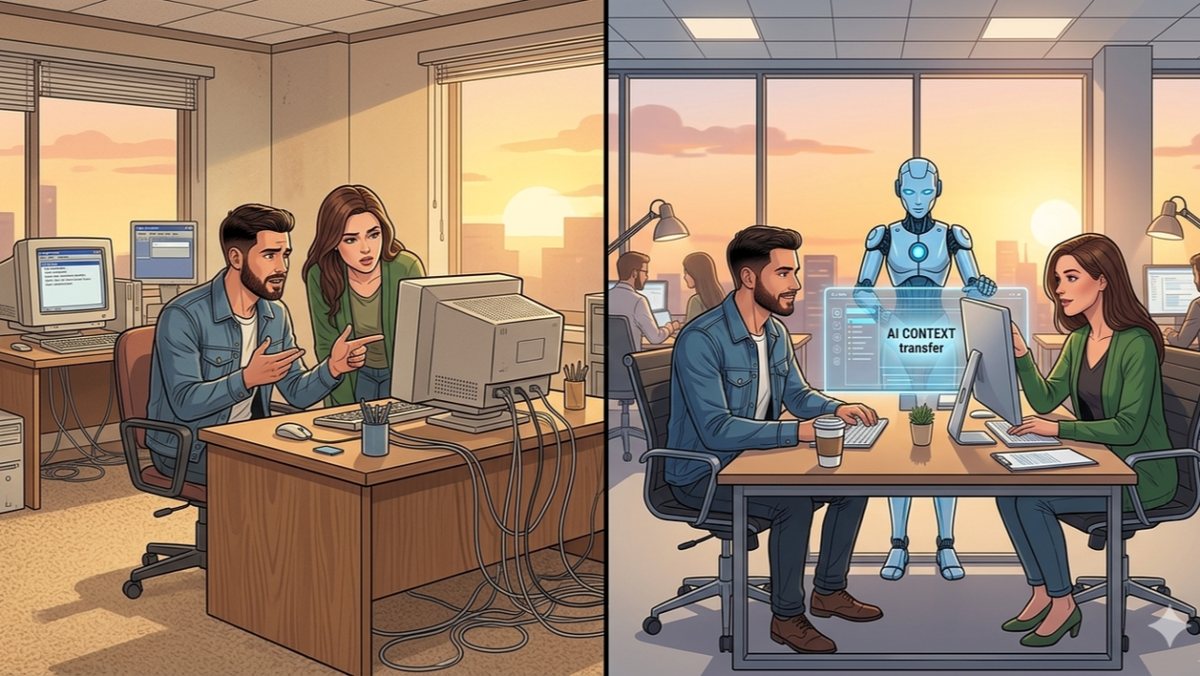
· 6 min readMany senior leaders are past asking whether to use AI and now face what to do next. I lay out four friction points, from missing work patterns and basic infrastructure to cultural pressure and new skills, and why all four need work at once.
-
The Wall Nobody Meant to Build
· 5 min readMy Windows account got disabled while I pulled my own work data out of Slack for an AI project. Access rules built for people clicking through screens now block AI work on data I can already see, so I argue for scoped API access.
-
Why AI Won't Replace (Most of) You
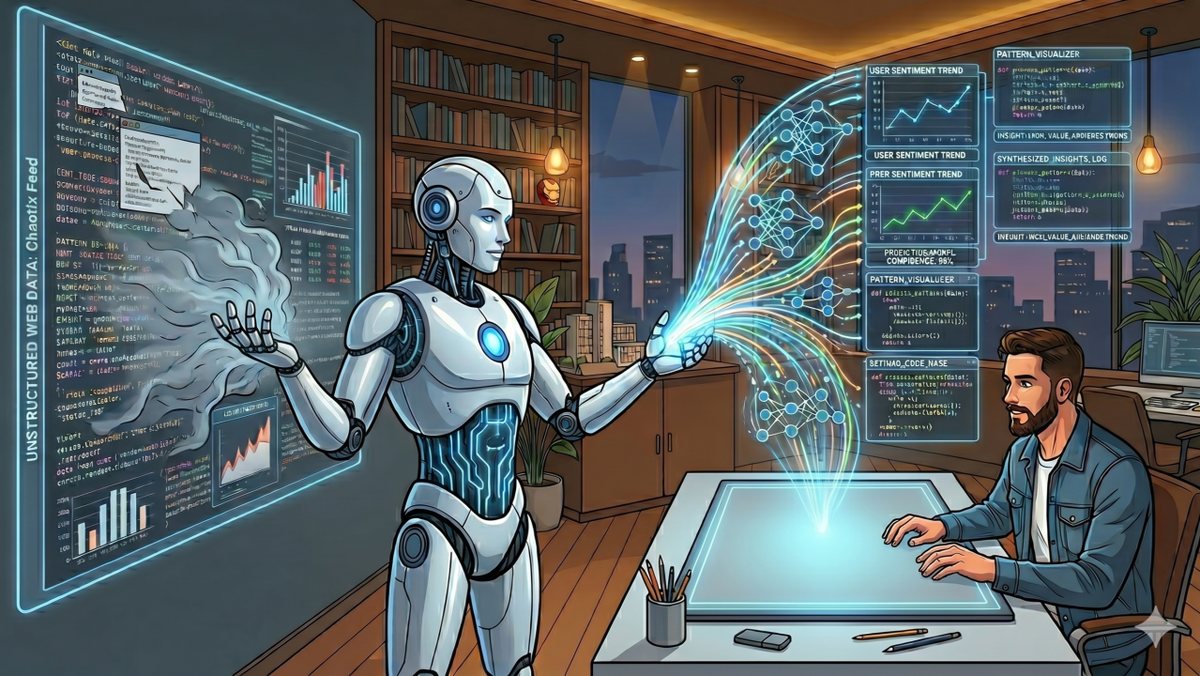
· 4 min readA design session with a data analyst I work with showed why deep expertise matters more than ever with AI. The model gave us a trend graph for a landing page, but explaining its spikes and dips took her knowledge of the business.