
Tools I've released
Writing style guide and AI-tic banlist
My voice guide and a public banlist of AI writing tics.
The problem
Every article I write starts with a long voice recording of me talking through my ideas. AI turns that transcript into a rough first draft, and I revise it until it's fully my voice, my words and my ideas.
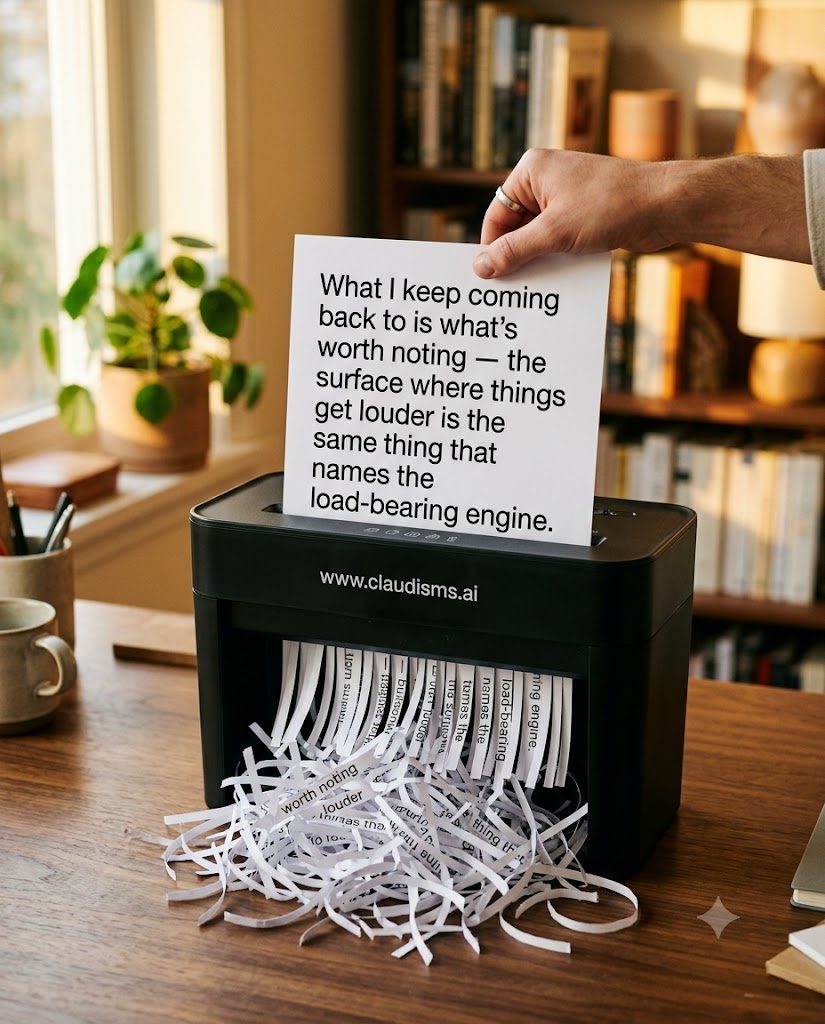
That rough draft comes with AI's own habits: a particular kind of dash, stock phrases, tidy closing lines no person actually speaks in. When I spot those habits in someone else's post, it changes how I read that author from then on.
I wanted the rough draft to sound like me before I ever read it. Catching the habits by eye wasn't enough, because I don't catch all of them.
What I built
Two files and a check that uses both.
The first file is a style guide built from samples of my own writing: emails, documents and articles. Every time a draft sounds wrong and I catch it, the guide gets updated.
The second is a banlist of AI writing tics: words, phrases and sentence patterns I would never use. I cross-checked it against published research on AI writing tells.
Every draft goes through two layers before I read it. First, a script catches what plain word matching can decide. Then a separate review handles the judgment calls the style guide describes, like vague stand-ins and drama that the facts don't support.
I publish the list at claudisms.ai, free for anyone to copy and wire into their own tools. The same list feeds FeedHacker's AI filter and the copy checks on my eBay listings.
What had to be handled carefully
- Don't trust it too much. The list will always miss things, and a clean word scan isn't a pass. Most of the style guide is patterns a word search can't catch, which is why the separate review exists and why I still revise every draft myself.
- Make it run the same way every time. The word check is plain code, not AI, so it flags the same tics every time and can't decide to let one slide.
- Keep it current. It's a moving target. New tics keep showing up, so I revisit and revise the guide and the list regularly.
The value
The guide and the list keep steady pressure on every draft so my own voice stands out. A first draft still lands somewhere between forty-five and sixty percent of the way there, and I still do the revising.